Creating a home office that is both cozy and productive can transform the way you work from home. A well-designed workspace boosts focus, reduces stress, and helps maintain a good work-life balance. Whether you have a small corner or an entire room, making your home office inviting and efficient is entirely possible with some thoughtful planning. Here are some practical tips to help you create a home office space that supports your best work.
Choose the Right Location
Start by selecting a quiet spot with minimal distractions. Ideally, your home office should be away from high-traffic areas and noise sources like the kitchen or living room. If space is limited, consider using a screen or room divider to separate your workspace visually. Natural light is also important; try to pick a spot near a window to benefit from daylight, which can improve mood and energy.
Invest in Comfortable Furniture
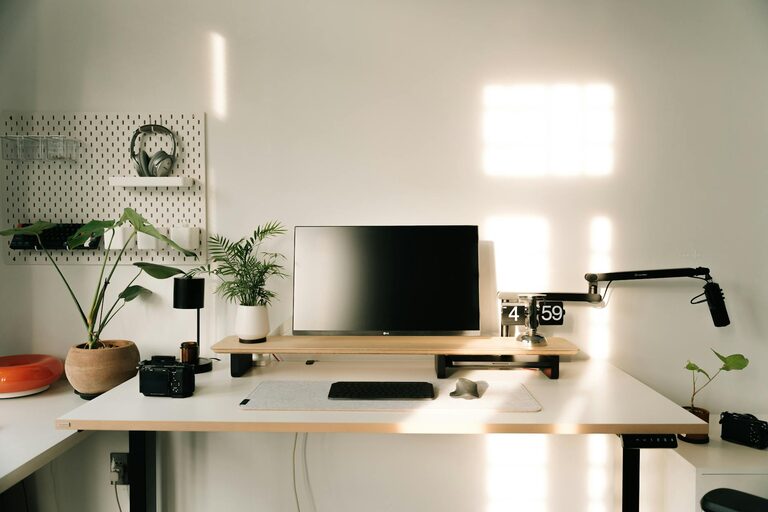
A comfortable chair and desk are essential for long hours of work. Look for an ergonomic chair that supports good posture to prevent back and neck pain. Your desk should be large enough to fit your computer, keyboard, and any other tools or documents you regularly use. Adjustable desks are a great option—they allow you to alternate between sitting and standing.
Organize Your Space
Keeping your workspace tidy helps reduce stress and enhance productivity. Use shelves, drawers, and organizers to store supplies and paperwork. Label boxes or folders for easy access. Consider cable organizers to keep cords neat and prevent accidental unplugging of devices. Regularly declutter your desk to maintain a clear work surface.
Decluttering Tips:
– Set aside 10 minutes at the end of each day to tidy your desk.
– Use trays or baskets to group similar items.
– Digitize paperwork whenever possible to reduce physical clutter.
Personalize Your Environment
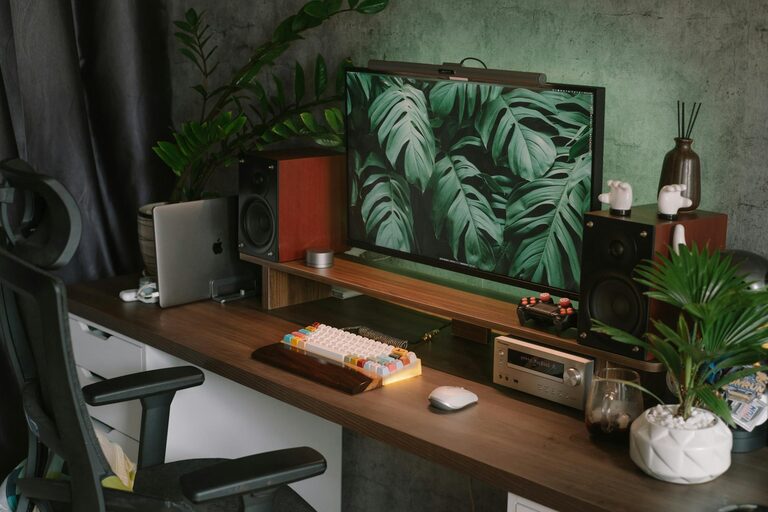
Adding personal touches can make your workspace feel cozy and inspiring. Hang artwork or photos that motivate you, place a small plant on your desk, or use stylish office supplies that reflect your taste. Just be mindful not to overcrowd your desk with items that could become distractions.
Optimize Lighting
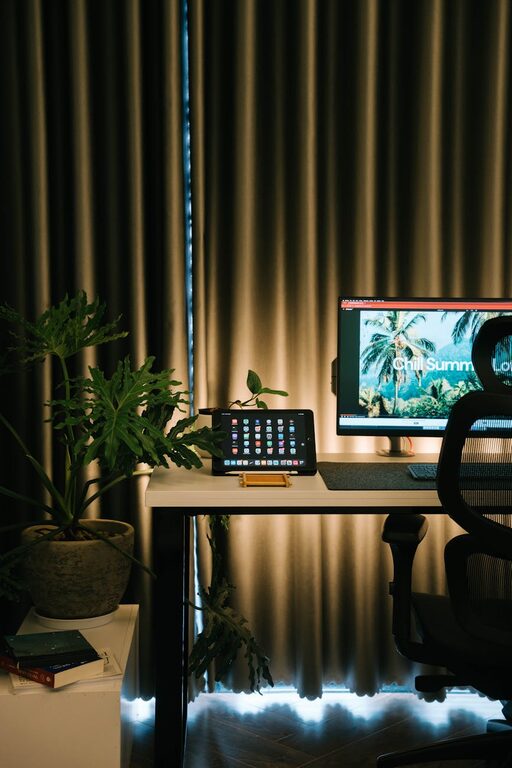
Good lighting reduces eye strain and boosts alertness. Combine natural light with task lighting such as a desk lamp. Choose LED bulbs with warm or neutral white light to create a comfortable atmosphere. Avoid harsh overhead lights or glare on your computer screen by adjusting blinds or using curtains.
Minimize Noise Distractions
Noise can disrupt concentration, so it’s important to manage it effectively. Use noise-canceling headphones if you live in a busy household. White noise machines or apps can mask distracting sounds. Additionally, carpets and curtains can help absorb sound and improve acoustics in the room.
Create a Routine
Designate specific work hours and breaks to maintain a healthy rhythm. A consistent schedule signals to your brain when it’s time to focus and when to relax. Use reminders or alarms to step away and stretch periodically, preventing fatigue.
Sample Daily Routine:
– Morning: Plan tasks and respond to emails
– Midday: Focus on high-priority work projects
– Afternoon: Attend meetings and creative work
– Breaks: Take short breaks every hour and a longer lunch break
Use Technology Wisely
Equip your home office with technology that enhances your workflow. Invest in a reliable internet connection, a good quality webcam and microphone for video calls, and any software that supports your tasks. Keep tech devices charged and updated to avoid frustration during work hours.
Add Comfort Elements
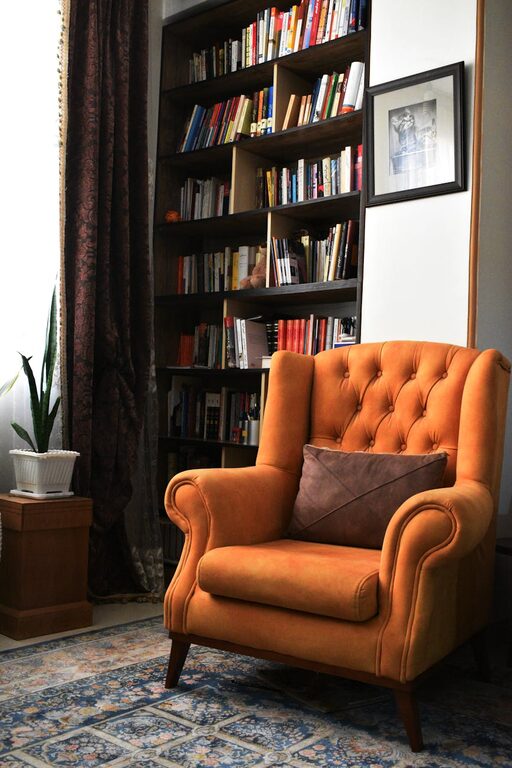
Small comforts can make your workspace more enjoyable. Use a cozy blanket or cushion if your chair feels hard or cold. A diffuser with a light scent, like lavender or citrus, can create a calming ambiance. Also, keep a water bottle nearby to stay hydrated throughout the day.
Maintain Work-Life Balance
Finally, set clear boundaries between work and personal time. Close your laptop and turn off work notifications when the day ends. This practice helps prevent burnout and keeps your home office a positive space.
—
Creating a cozy and productive home office is about combining function with comfort. By choosing the right location, investing in good furniture, organizing efficiently, and personalizing your space, you’ll set yourself up for success. Remember to balance technology with breaks and maintain a routine that suits your lifestyle. With these tips, your home office will become a place where you can work efficiently and feel at ease.
About the Author