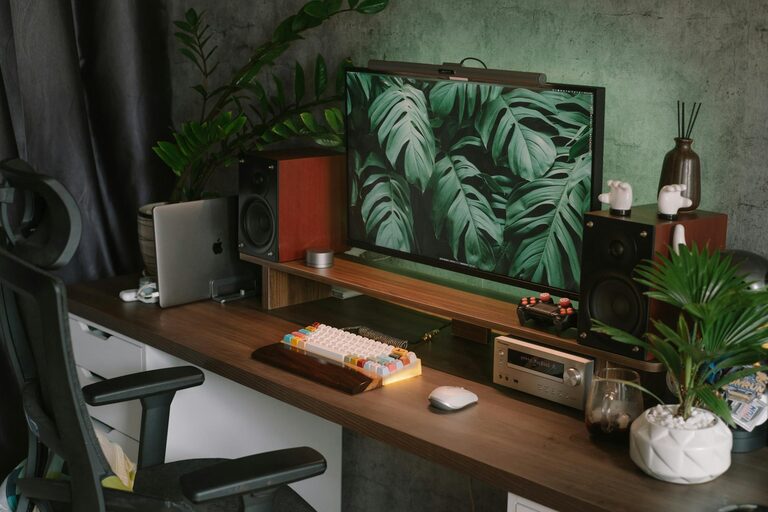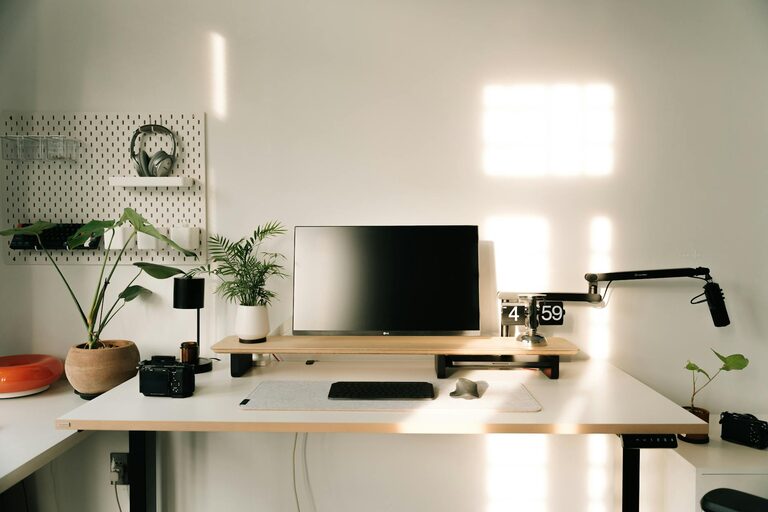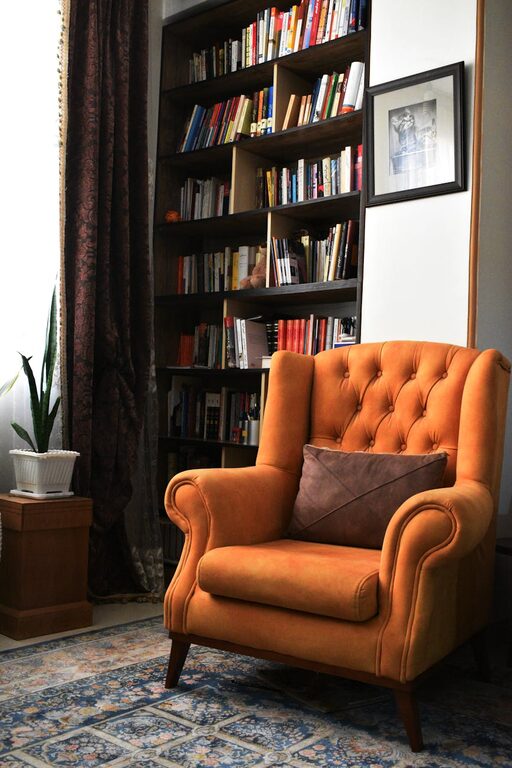
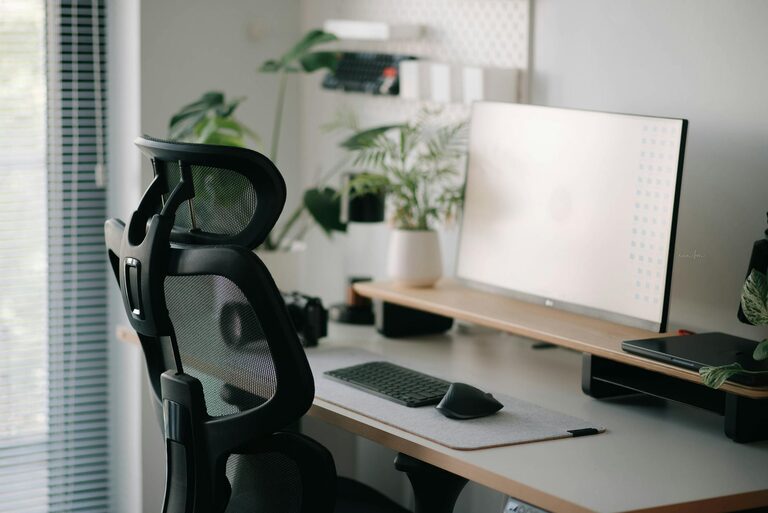
Creating a relaxing home workspace is essential for maintaining focus, reducing stress, and boosting your productivity. When your environment feels calm and organized, it’s easier to stay motivated and complete tasks efficiently. Whether you’re new to working from home or looking to improve your current setup, these tips will help you design a workspace that supports your well-being and work goals.
Why a Relaxing Workspace Matters
Your surroundings have a big impact on your mindset and productivity. A cluttered or uncomfortable space can cause distractions and increase stress levels. On the other hand, a peaceful, well-organized workspace promotes concentration, creativity, and efficiency. Taking time to create a relaxing environment is an investment in your work performance and overall happiness.
Choose a Comfortable Location
Find a Quiet Spot
Select a place in your home with minimal noise and distractions. If possible, choose a room with a door that you can close to signal “work mode” and reduce interruptions from family members or roommates.
Natural Light is Key
Try to position your desk near a window to take advantage of natural daylight. Natural light helps regulate your body clock and improves mood and energy levels. If natural light is limited, use soft, adjustable lighting that won’t cause eye strain.
Invest in Ergonomic Furniture
Comfortable Chair
A supportive chair with adjustable height and good lumbar support prevents discomfort and promotes good posture. Sitting comfortably makes long work sessions easier and reduces physical fatigue.
Functional Desk
Your desk should be large enough for your computer, notebooks, and other essentials without feeling cramped. Consider a standing desk or adjustable desk to switch between sitting and standing, which can enhance focus and reduce the risks of sitting too long.
Keep Your Workspace Organized
Declutter Regularly
Clear your desk of unnecessary items daily to keep the space neat and inviting. A tidy area reduces mental clutter and distractions.
Use Storage Solutions
Drawers, shelves, and organizers help keep supplies and documents in order. Label containers or folders for easy access to what you need.
Cable Management
Use cable ties or clips to organize wires and cords. A neat desktop is visually pleasing and prevents accidental unplugging or damage.
Personalize Your Space Mindfully
Add Calming Elements
Incorporate items that make you feel relaxed without overwhelming your workspace. Plants, a small water fountain, or a scented candle (if safe) can create a soothing atmosphere.
Inspirational Touches
Consider adding a few motivational quotes, photos, or art pieces that inspire you. Just keep personal items minimal to avoid clutter.
Minimize Digital Distractions
Turn Off Notifications
Silence non-essential notifications on your computer and phone during work hours to maintain focus.
Use Productivity Tools
Apps like timers or focus music playlists can help you stay on track and create a sense of routine.
Use Soothing Colors and Scents
Choose Relaxing Colors
Soft colors like light blue, green, or neutral tones create a calm environment and reduce visual stress. Avoid overly bright or harsh colors for your walls or desk accessories.
Aromatherapy
Essential oils like lavender, peppermint, or eucalyptus can promote relaxation and alertness. Use a diffuser or keep a few drops nearby, but ensure good ventilation.
Take Breaks and Move
Schedule Short Breaks
Regular breaks prevent burnout and help maintain productivity throughout the day. Use breaks to stand, stretch, or take a quick walk.
Create a Stretching Corner
If space allows, dedicate a small area near your desk for stretching or yoga to keep your body energized.
Maintain Good Air Quality
Ventilation
Open windows or use an air purifier to keep fresh air circulating. Good air quality helps reduce fatigue and improves concentration.
Add Indoor Plants
Plants like snake plants, peace lilies, or pothos not only brighten your space but also improve air quality naturally.
Set Boundaries and Stick to a Routine
Define Work Hours
Having set work hours helps you separate professional time from personal time, reducing stress and improving work-life balance.
Communicate Your Schedule
Let family or roommates know your work hours and the importance of minimizing interruptions during those times.
—
By applying these tips, you can transform your home workspace into a relaxing haven that supports productivity and well-being. Remember, the key is to create a balance between comfort, organization, and functionality tailored to your needs. A thoughtfully designed workspace encourages focus and makes working from home a more enjoyable experience.
About the Author